Golf Shoes, Gloves, and Apparel: What You Really Need
A plain-spoken beginner's guide to golf shoes, gloves, and what to wear on the course without overspending on gear you don't need.
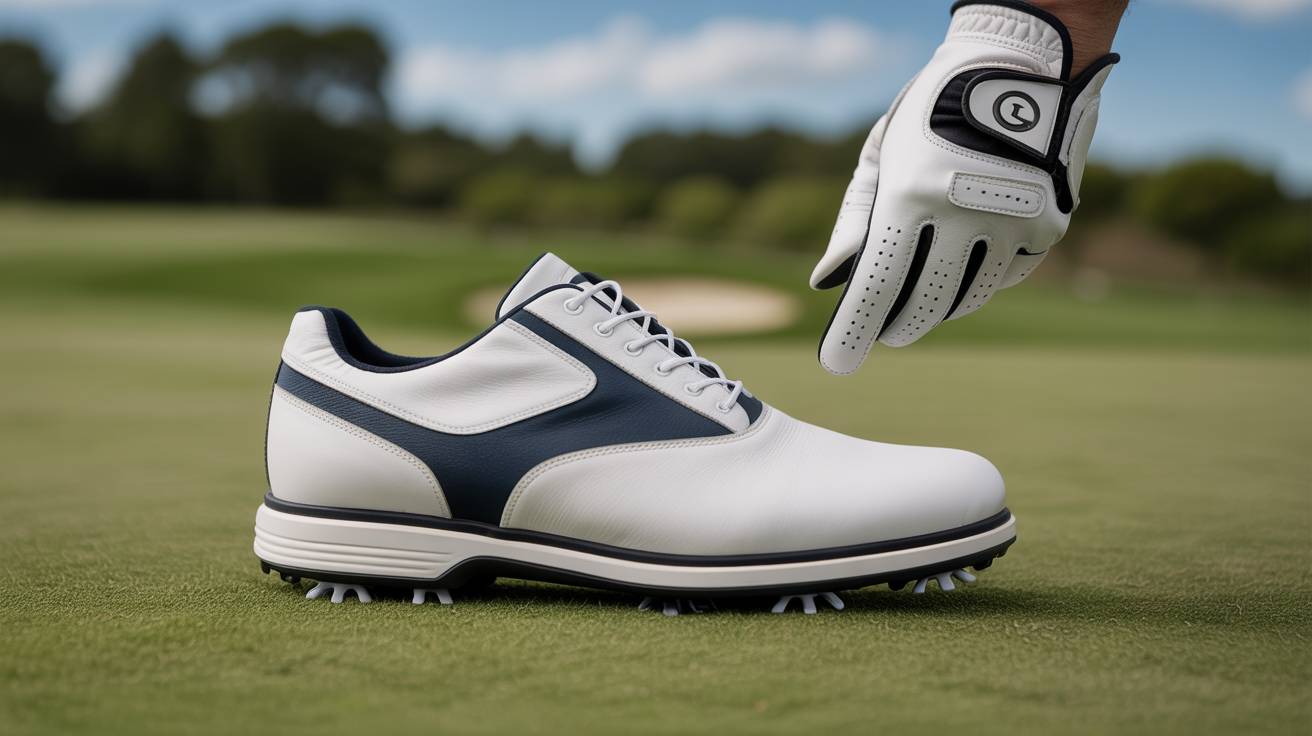
The clothing and accessories section of a pro shop can feel like a second equipment store. Shirts in 12 colors, shelves of shoes, gloves packaged like consumables. Before you spend anything, here is what actually matters for a beginner and what you can safely skip for now.
Do You Actually Need Golf Shoes?
Golf shoes are useful, but they are not required on day one. Most public courses allow athletic sneakers, and plenty of beginners play their first handful of rounds in running shoes without any problems.
That said, there are two real reasons to consider golf shoes sooner rather than later.
Traction. A golf swing generates rotational force through your feet. Soft-spike or spikeless golf shoes grip the turf in a way that flat-soled sneakers do not. On wet grass or a hilly course, the difference is noticeable. Slipping mid-swing throws off your balance and, more importantly, can cause a fall.
Comfort over distance. A round of golf involves roughly four miles of walking. Golf shoes are built for that: they are wider through the forefoot, offer lateral support for the swing, and are usually water-resistant. Running shoes are optimized for forward motion, not the lateral stresses of a round.
Spikeless vs. soft-spike: Spikeless shoes look like casual sneakers and can be worn off the course. Soft-spike shoes have removable rubber cleats and offer better grip on wet slopes. For most beginners, spikeless shoes are the practical choice because they double as everyday footwear.
What to spend: Beginner-friendly golf shoes run from $60 to $120. Avoid buying the cheapest option available; the sole flexes in ways that feel wrong by hole 14. A mid-range pair from a reputable golf or sporting goods store will last several seasons with basic care.
Which Hand Does a Golf Glove Go On?
A golf glove goes on your lead hand, which is the hand closest to the target at address.
For a right-handed golfer, that is the left hand. For a left-handed golfer, it is the right hand.
The reason is grip pressure. During the swing, the lead hand does most of the work of maintaining contact with the club through the impact zone. The glove reduces friction between the grip and your palm, prevents blisters during longer practice sessions, and helps you hold the club more securely in humid conditions.
Do you need a glove at all? Technically no. Some experienced golfers putt without a glove, and a few play entire rounds bare-handed. As a beginner, a glove is worth the $10 to $20 investment. Your grip is inconsistent early on, you will hit a lot of balls in practice, and blisters on your lead palm will cut practice short in a hurry.
Fit matters more than brand. A glove should fit snugly, like a second skin, with no bunching at the knuckles. If the fingers are too long the glove will slide. Most manufacturers offer men's and women's sizing; some offer cadet sizing, which has shorter fingers and a wider palm. Try a few on before buying.
How long do gloves last? A glove used two or three times per week typically lasts a season if you let it air-dry between rounds instead of stuffing it in your bag. Keep it in its original packaging when not playing. Once the palm leather begins to crack or the velcro wears out, replace it.
What to Wear Golfing
Golf courses have dress codes, and they vary considerably. A private club may require a collared shirt and prohibit jeans. A municipal public course might only ask that you wear appropriate footwear. The safest default is a collared polo shirt and tailored shorts or pants.
Shirts: A moisture-wicking polo is the standard across most courses. Cotton works, but performance fabric (polyester blends) keeps you cooler in summer and dries faster if you get caught in light rain. Avoid sleeveless shirts unless the course explicitly permits them.
Bottoms: Tailored golf shorts or golf pants fit the dress code at the vast majority of courses. They are cut to allow a full hip turn, which regular chinos usually are not. Cargo shorts, athletic shorts, and jeans are not permitted at most courses.
Outerwear: A lightweight rain jacket is more useful than a heavy sweater. Look for one that does not restrict arm movement. Even on a dry day, mornings on the course can be cold, and a packable jacket fits in your bag without adding significant weight.
Sun protection: A hat or visor is the single most useful addition to your outfit. Golf involves hours of direct sun exposure, often mid-morning through early afternoon. A wide-brimmed hat, sunscreen on your neck and forearms, and sunglasses with UV protection are practical necessities rather than accessories.
What to avoid on a first round:
- Denim in any form
- Sleeveless athletic shirts
- Sandals or open-toed shoes
- Workout leggings without a skirt overlay (check the specific course policy)
When in doubt, call the course ahead of time. A two-minute call avoids being turned away at the bag drop.
A Practical Starter Checklist
Here is what a beginner actually needs before the first round, ranked by priority.
| Item | Priority | Notes |
|---|---|---|
| Collared polo shirt | Essential | Most courses require it |
| Tailored shorts or golf pants | Essential | Allows full hip turn |
| Athletic sneakers (short-term) or golf shoes | Recommended | Golf shoes add stability |
| Golf glove (lead hand) | Recommended | Prevents blisters, improves grip |
| Hat or visor | Recommended | Sun protection over a 4-hour round |
| Rain jacket | Nice to have | Packable styles fit in a bag |
| Sunscreen | Always | Apply before you leave, not at hole 1 |
You do not need a full outfit refresh before your first round. A polo you already own, any tailored shorts, and athletic sneakers will get you on the course at most public tracks. Add golf shoes and a glove once you know you are going to keep playing.
Building Out the Rest of Your Gear
Apparel comes after the clubs and balls. If you are still figuring out the equipment side, the guides on what's actually in a standard bag and how to choose your first set of clubs cover that ground. Once you know how many clubs a beginner actually needs, you can look at the full picture of what a starter setup costs and budget accordingly.
Frequently Asked Questions
Can I wear running shoes for golf? Most public courses allow athletic sneakers. Running shoes lack the lateral support and turf grip of golf shoes, so you may notice your feet sliding slightly on wet grass or during full swings, but for casual rounds on a forgiving course, they work fine. If you play regularly, golf shoes are worth adding eventually.
Does a golf glove go on both hands? No. One glove on the lead hand is standard. Some golfers with hand sensitivity or arthritis wear two gloves, but that is the exception. Right-handed players wear the glove on the left hand; left-handed players wear it on the right.
What happens if I show up not meeting the dress code? Most courses will turn you away or ask you to buy something from the pro shop before you can play. This is more common at private and semi-private clubs than at public municipal courses. A quick call to confirm the dress code before your first visit saves the frustration.
Are women's golf dress codes different? The structure is similar: a collared or mock-collar shirt, tailored shorts, skorts, or pants. Some courses allow sleeveless tops for women; others do not. A skort (a skirt with built-in shorts) is a common and practical option. The same rule applies: when in doubt, call ahead.
How much should a beginner spend on golf apparel? You do not need to buy golf-branded everything. A moisture-wicking polo from any sportswear brand, a pair of tailored shorts, and a hat is enough to start. Budget $20 to $40 for a glove and basic accessories. Add golf shoes ($80 to $120) once you are certain you will keep playing. Total starter apparel budget: under $150, including shoes.