Should Beginners Take Golf Lessons? What to Expect
Golf lessons for beginners can save months of frustration. Here's what a first lesson covers, what it costs, and how to find a good instructor.
The short answer: yes, lessons are worth it
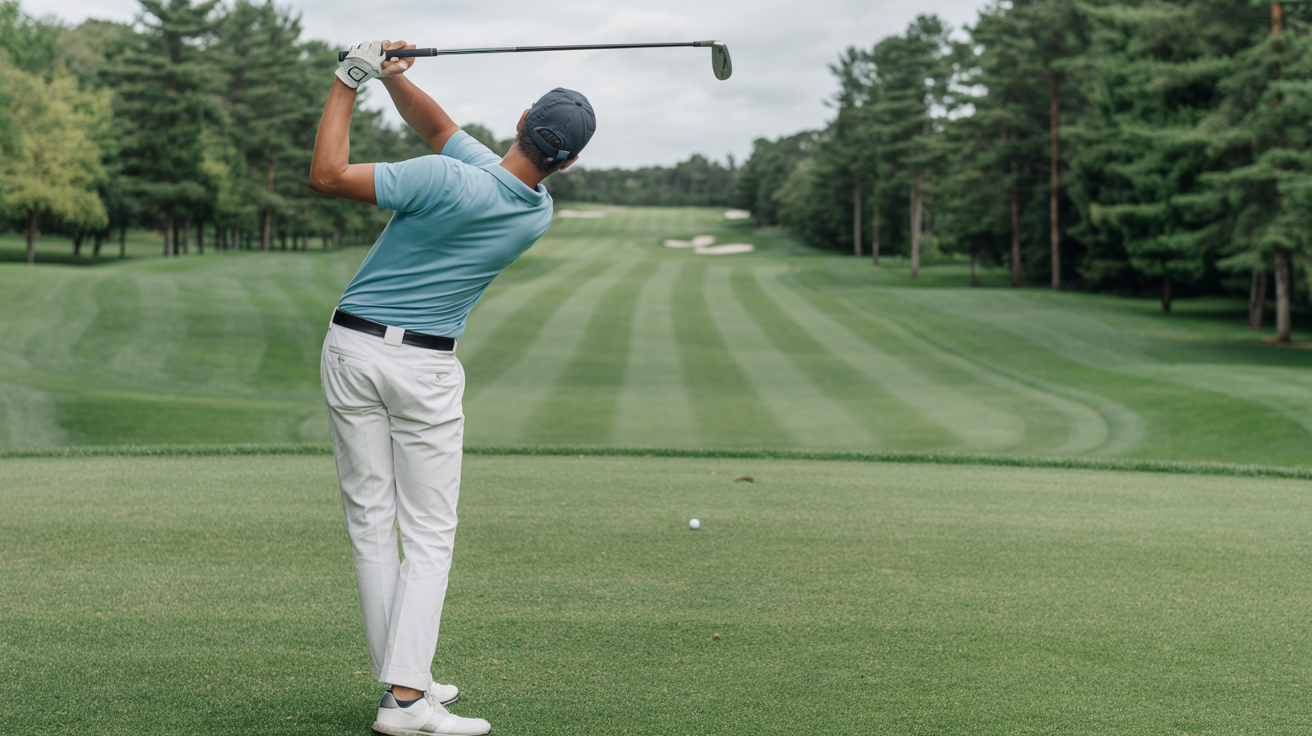
If you've ever watched someone with a self-taught swing struggle after years of play, you already know what golf lessons for beginners are really preventing: ingrained bad habits that are extremely hard to break later.
A single lesson early on won't make you Tiger Woods. But it will probably save you six months of wondering why the ball keeps going sideways. Golf has a steep technical curve, and a qualified instructor can spot your biggest problems in minutes — problems you'd never find on your own because you can't see yourself swing.
That said, lessons aren't mandatory. Some people learn fine from books, YouTube, and patient playing partners. But most beginners benefit enormously from at least two or three sessions up front.
What happens during your first golf lesson
Your first lesson usually lasts 30 to 60 minutes. Here's what to expect.
The instructor watches you first
A good teacher starts by watching you, not lecturing you. They'll ask you to take a few swings so they can see what you're working with. Don't be nervous about looking silly; they've seen every possible swing shape, and they're not judging you. They're diagnosing.
You'll work on one or two fundamentals
Beginners usually have the most to gain from getting the basics right: grip, stance, and posture. A first lesson will often focus on just one or two of these rather than covering everything at once. That's intentional. Trying to fix ten things simultaneously fixes nothing.
You'll hit balls (probably a lot of them)
Most lessons happen on a driving range, not a golf course. You'll spend time actually hitting shots while the instructor gives feedback in real time. Some instructors use video analysis to show you what your swing looks like from different angles.
You'll leave with something to practice
Before you walk away, a decent instructor gives you one or two specific drills to work on before your next session. Write them down. Check out simple golf drills you can do at home for ideas on how to keep working between lessons without needing range time every day.
Private, group, or online: which type is right for you?
| Lesson type | Typical cost | Best for |
|---|---|---|
| Private (1-on-1) | $60-$150 per hour | Fastest improvement; personalized feedback |
| Group clinic | $20-$60 per person | Budget-friendly; social; good for total beginners |
| Playing lesson (on-course) | $100-$200+ | Learning real course management, not just range mechanics |
| Online video lesson | $30-$100 per session | Flexible; works if you can record your own swing clearly |
Private lessons
One-on-one time with an instructor gets you the most direct feedback. The instructor isn't splitting attention across four students — they're watching every swing you take. This is usually the best option if you can afford it and want to improve quickly.
Group clinics
Most golf courses and ranges offer group beginner clinics, sometimes called "Introduction to Golf" programs. These are a great low-pressure way to try golf instruction without a big investment. You won't get as much individual attention, but the fundamentals taught in a group setting are identical to what you'd get in a private lesson.
Playing lessons
A playing lesson means the instructor walks the course with you for a full or partial round. This is more advanced territory, really about learning to practice golf in a way that actually transfers to the course and making real decisions under course conditions. Most beginners aren't quite ready for this until they have a basic swing to work with.
Online lessons
Online lessons have gotten genuinely useful in the past few years. You record your swing with your phone, upload it, and get a video analysis back from a coach. The limitation is that the instructor can't adjust your grip in real time. For total beginners who live far from a decent range or can't afford regular in-person sessions, online coaching is a reasonable option. It's not the same as being there in person, but it's miles better than guessing.
How much do golf lessons cost?
Golf lesson prices vary a lot depending on where you live, who you're working with, and what format you choose.
For a private lesson with a PGA professional at a public course or standalone driving range, expect to pay somewhere in the $60-$120 per hour range in most of the US. Lessons at upscale private clubs can run $150-$200 or more. Group clinics are typically $20-$50 per person per session.
Package deals (usually 3, 5, or 10 lessons) often come with a discount of 10-20%. If you're committing to lessons, buying a package almost always makes sense financially.
A few things affect price: the instructor's experience level and credentials, the facility's prestige, your region (urban areas tend to cost more), and whether the lesson includes range balls.
How to find a good instructor
Look for PGA certification
PGA of America professionals have completed a formal training and testing program. That's a reasonable baseline for competence. It doesn't guarantee they'll be a great teacher; some PGA pros are excellent players who aren't patient communicators. But it does mean they've learned the fundamentals of instruction.
Ask about their experience with beginners specifically
Some instructors specialize in juniors, some work mostly with low-handicap players trying to shave strokes, and some focus specifically on getting new golfers started. Ask directly: "Do you work with a lot of complete beginners?" The answer tells you something useful.
Try one session before committing to a package
Don't buy five lessons upfront from someone you've never met. Take one lesson, see how you feel about their communication style, and then decide whether to continue. A good instructor will be fine with that.
Check your local public course or driving range first
You don't need to join a private club to find quality instruction. Most public courses have a teaching pro on staff, and standalone driving ranges often have instructors available for walk-in bookings. These are usually the most accessible and affordable options.
Lessons vs. teaching yourself
This is a fair question, and the honest answer is that it depends on how you learn and how serious you are.
Self-teaching has real advantages. It's free, flexible, and some people figure things out well on their own, especially if they're athletic and have watched a lot of golf. YouTube has solid free content from certified instructors.
The problem is feedback. When you practice alone, you can't see what you're doing, and you can easily reinforce mistakes without knowing it. Bad habits feel comfortable once they're grooved in, which makes them hard to identify and harder to fix. Many golfers who learned entirely on their own spend years later unlearning things a decent instructor would have caught in 30 minutes.
The middle path that works well for most beginners: take two or three lessons up front to get the fundamentals right, then use online videos and self-practice to reinforce what you've learned. Before you head out for your first real round, it's also worth making a habit of warming up properly before you play. It makes a bigger difference than most beginners expect.
Frequently asked questions
How many lessons does a beginner need?
There's no fixed number, but two to four lessons is a reasonable starting point for most beginners. This gets you a solid foundation in grip, stance, and basic swing mechanics. After that, you can practice on your own and come back periodically (maybe once a month) as questions come up or your game plateaus.
Can I take lessons before I own clubs?
Yes, and it's actually a good idea. Most instructors have demo clubs you can use during a lesson. Getting some instruction before you buy gear helps you understand what shaft flex and club length actually mean for your swing, which makes buying equipment a lot less confusing.
Is it worth taking lessons at a driving range vs. a golf course?
The instruction itself is usually equivalent; the quality depends on the instructor, not the venue. Driving ranges sometimes have more casual, accessible instructors at lower price points. Golf courses, especially ones with full practice facilities, often have instructors on staff who also teach course management and short game. Either can work well.
What should I wear to a lesson?
Comfortable athletic clothes and athletic shoes with good grip are fine for most driving range lessons. You don't need golf shoes for your first lesson, though they help on wet grass. Avoid sandals or anything that might slip.
What if I try lessons and they don't seem to help?
Give it a fair shot: two or three sessions minimum, and actually practice what you're assigned between lessons. If you've done that and don't feel like you're clicking with an instructor, try a different one. Teaching styles vary a lot, and the right fit matters. Some people explain things mechanically; others use feel-based cues. Neither approach is wrong, but one might work much better for how you learn.